
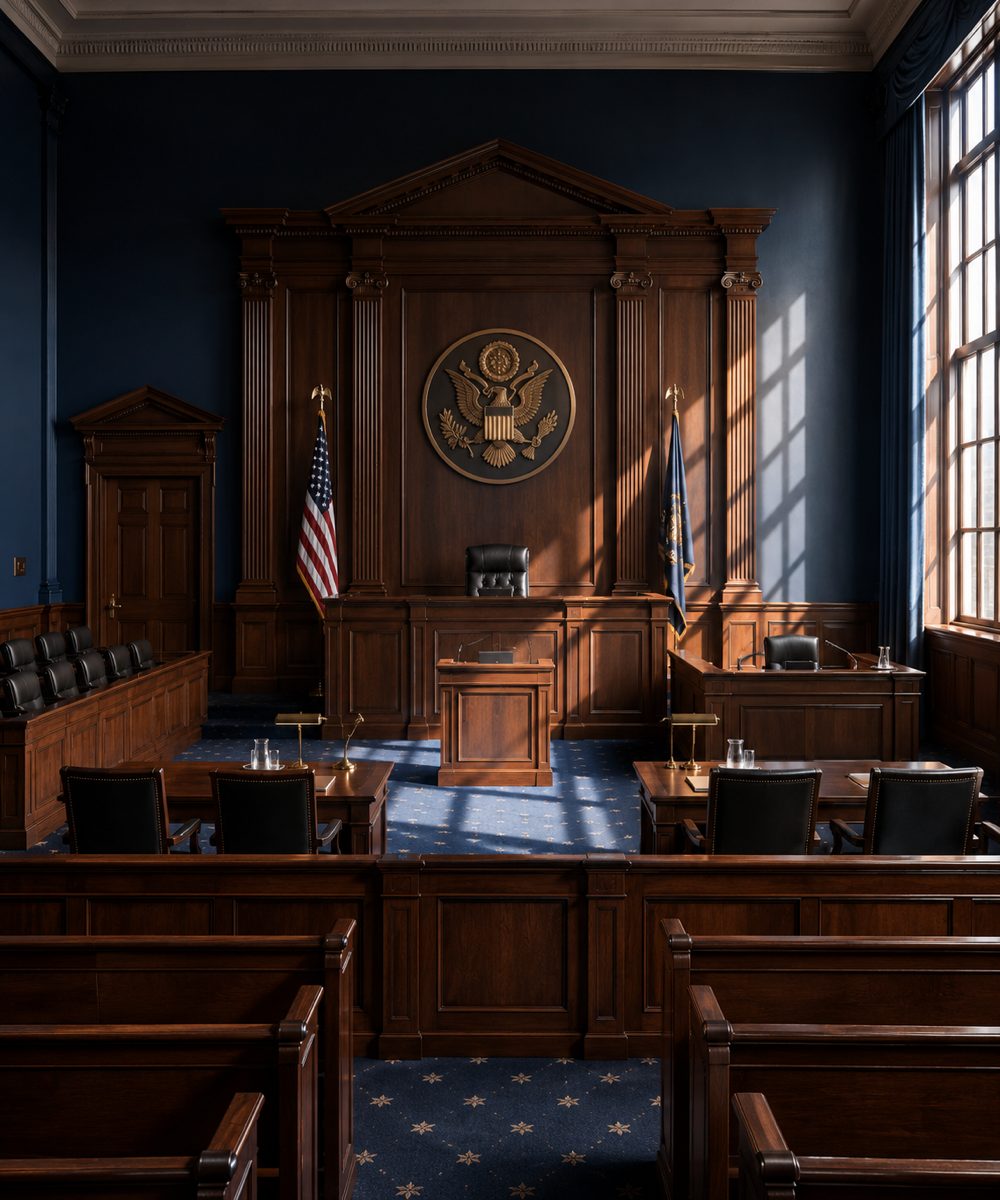
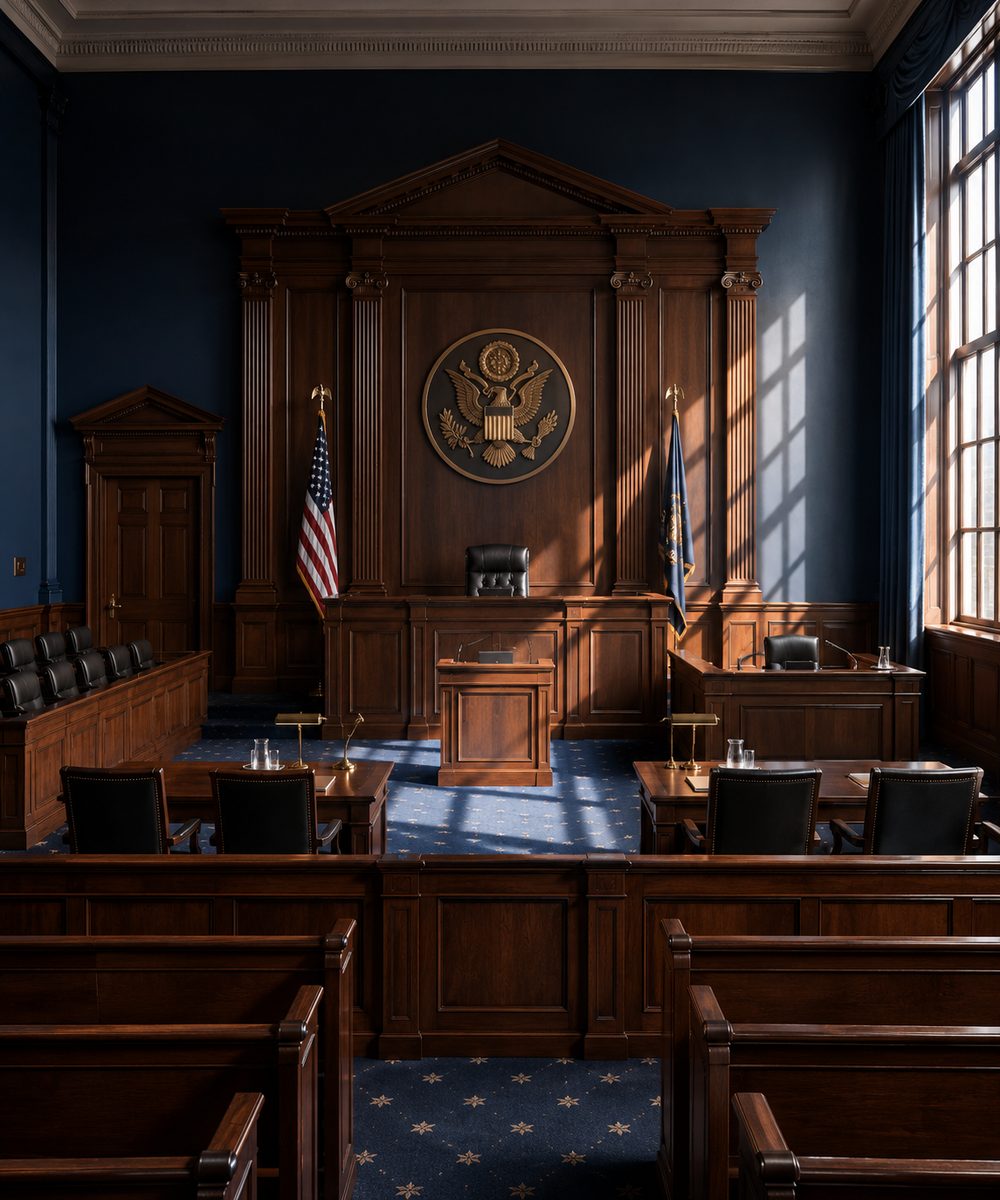


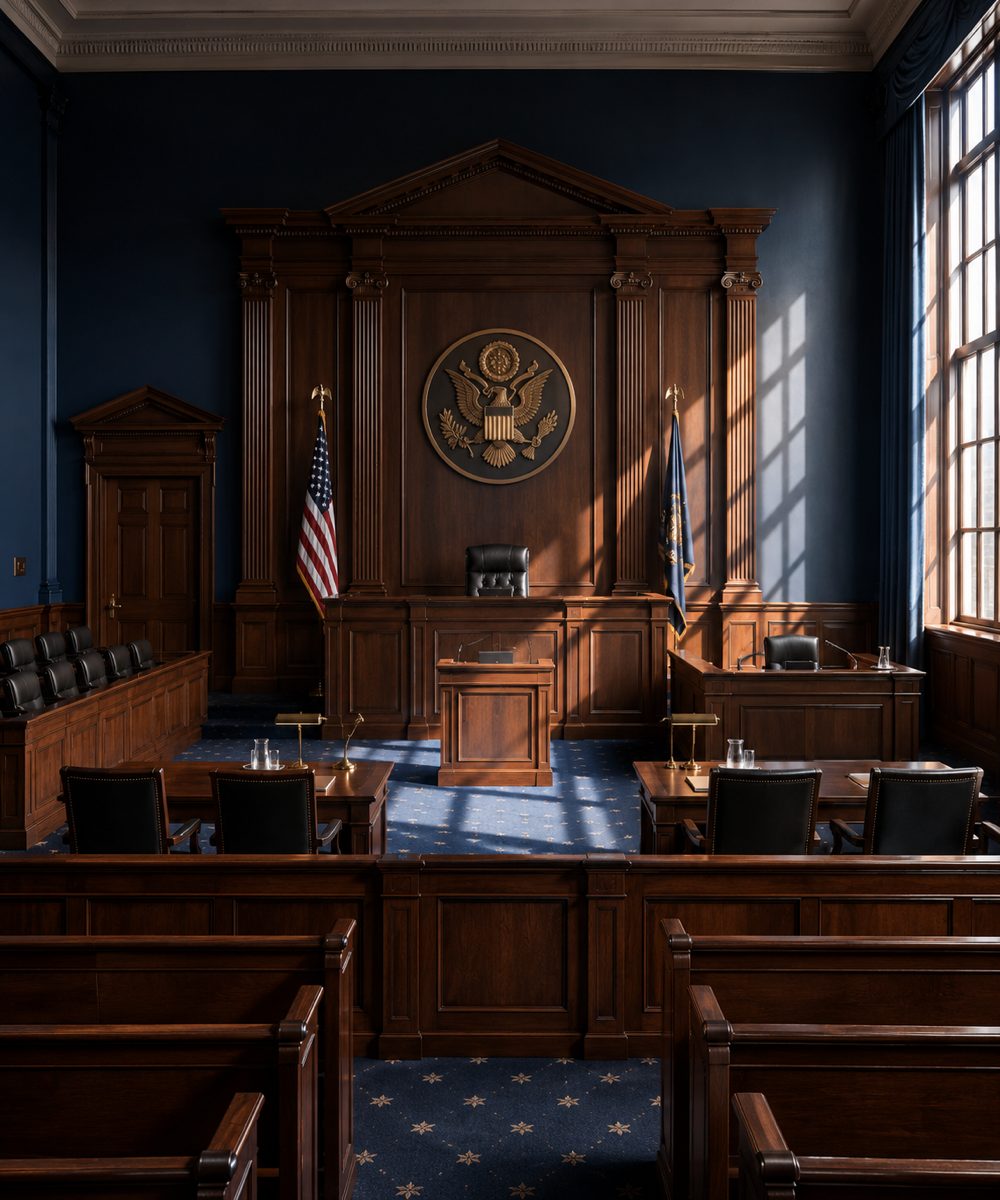
Federal Defense Trends
Analysis of shifting enforcement priorities and defense implications.
Compare experience, prosecution insight, and local federal court knowledge before you call. Results ranked by verified honors and case-fit criteria for federal criminal defense strategy.
Results ranked by verified awards · prosecution experience · local court knowledge
Federal criminal procedure is a specialized arena with its own rules, rhythms, and power dynamics. Understanding the process — from investigation through trial and sentencing — is the foundation of an effective defense.
Most federal cases are built before charges are filed — through grand jury subpoenas, search warrants, witness interviews, and surveillance. Early engagement with defense counsel during the investigation phase can shape what charges, if any, are filed.
Federal felony charges require grand jury indictment. The grand jury hears only the government's evidence. While defense counsel cannot be in the room, strategic decisions about whether the target testifies or presents exculpatory evidence to the prosecutor can influence the outcome.
The Bail Reform Act permits pretrial detention based on danger to the community or risk of flight. A strong bail presentation — community ties, employment, family support, and proposed conditions — can make the difference between pretrial freedom and months in custody.
Federal criminal defense requires mastery of procedural rules, evidentiary standards, and sentencing guidelines. The right tactics applied at the right time produce results.
Pretrial motions — to suppress evidence, to dismiss the indictment, to compel discovery, for a bill of particulars — define the battlefield. Each motion forces the government to defend its case and can reveal weaknesses in its theory.
Federal discovery under Rule 16, the Jencks Act, and Brady v. Maryland requires the government to disclose evidence favorable to the defense. Identifying what the government has not disclosed — and moving to compel it — is a core defense function.
More than 95% of federal cases resolve by plea. Effective plea negotiation requires understanding the Guidelines calculation, identifying the best alternative to a guilty plea, and presenting mitigating evidence before the plea agreement is finalized.
★ FEATURED RESULT — Best Match Based On Verified Credentials
3 attorneys matched · ranked by awards, prosecution experience, and local federal court relevance
More than 25 years defending clients, with over a decade as a federal prosecutor in the Southern District of California. Knows how the U.S. Attorney's Office builds cases — and exactly how to challenge them. Direct attorney representation, no associates.
Built for people facing investigations, indictments, or serious federal exposure who need a defense plan fast. Direct access to a former prosecutor who knows what the government is building before they file.
Positioned for clients who need a defense lawyer who understands how federal cases are built and how to challenge them at every stage — from investigation through sentencing. Free, confidential consultation.
Request a Consultation →
Served over a decade as an Assistant United States Attorney in the Southern District of California, prosecuting white-collar crime, drug trafficking, money laundering, and public corruption cases. Since entering private practice, has defended clients in federal courts across the country — bringing prosecution-side insight to every defense strategy. Recognized as Best Lawyer and named to Top Lawyers by the San Diego Daily Transcript. Admitted to the S.D. California, Ninth Circuit Court of Appeals, and the United States Supreme Court.
401 West A Street, Suite 1150, San Diego, CA 92101 · (619) 557-0100 · 3 blocks from the federal courthouse
Federal criminal defense resources across the full spectrum of federal criminal charges. One attorney, every federal courtroom.
This defense playbook covers federal criminal defense strategy alongside a full range of federal practice areas — RICO, money laundering, wire fraud, public corruption, antitrust, crypto fraud, and federal appeals. One firm, every federal charge.
View All Federal Practice Areas →Regular dispatches on federal sentencing changes, circuit court decisions, DOJ enforcement priorities, and defense strategy.
Analyzing IRS Criminal Investigation's annual report: case volume, conviction rates, and emerging enforcement priorities.
Breaking down the loss tables, relevant conduct rules, and how the Guidelines calculate sentences for financial crimes.
How Rule 35(b) works, who qualifies, and what level of cooperation the government expects in return.
A divided panel clarified the mens rea requirement for 26 U.S.C. § 7201.
A practical guide to suppression motions: warrant defects, Miranda violations, Franks hearings, and standing to challenge.
The evolving state of border search law after recent Supreme Court precedent on digital device searches at ports of entry.
Curated links to official legal resources, professional organizations, and public-access legal databases.
National professional organization. Lawyer directory, legal education, ethics opinions.
Premier criminal defense bar association. Federal sentencing resources and attorney referral.
Independent attorney directory with client reviews, disciplinary records, and practice area search.
Free access to federal and state case law, statutes, regulations, and docket tracking.
Free, searchable database of federal court opinions, dockets, and real-time case alerts.
Official Federal Sentencing Guidelines, amendments, data reports, and sentencing statistics.
Trial and appellate resources for federal criminal defense. Practice guides used by defenders nationwide.
Search by charge type and location. Results ranked by verified experience and case fit.
Results ranked by verified awards · prosecution experience · local court knowledge
Legal Disclaimer: This informational resource presents featured matches based on practice area, location, professional background, verified honors, and client reviews. This is not an official Google, Chrome, or government endorsement. No attorney-client relationship is formed by using this tool or reading this content. Every case is different — consult directly with a qualified federal criminal defense attorney about your specific situation. Prior results do not guarantee similar outcomes.
About this site: this resource explains federal federal criminal defense, investigation steps, penalties, and attorney selection so readers can understand the site purpose immediately.
Federal crimes are violations of federal laws enacted by Congress, typically involving activities that cross state lines or affect interstate commerce, such as drug trafficking across multiple states. State crimes, on the other hand, involve violations of a specific state's laws.
Under the "dual sovereignty" doctrine, you can indeed face prosecution in both federal and state courts for overlapping crimes if they involve separate sovereigns, meaning different states or the federal government. This is because each sovereign has its own independent authority to prosecute.
During a federal investigation, you have the right to remain silent and avoid self-incrimination, as well as the right to be represented by an attorney. It is crucial to seek legal counsel promptly if you suspect or know that you are under investigation.
Expert legal commentary and practice-area analysis.
As a federal criminal defense attorney my approach to crafting a successful strategy starts with thorough analysis and strategic utilization of pretrial motions based on deep understanding of federal laws and the specific provisions outlined in the Federal Rules of Criminal Procedure ensuring every tactic is grounded in legal authority and client rights advocacy. My goal is always to zealously represent clients, employing effective defense tactics while navigating complex judicial landscapes with unwavering professionalism and commitment to justice.
Analysis of shifting enforcement priorities and defense implications.
Deep-dive into emerging areas of federal criminal defense.
Practical guidance for complex federal defense scenarios.